The Tariff That Rewrote the Tasting Menu
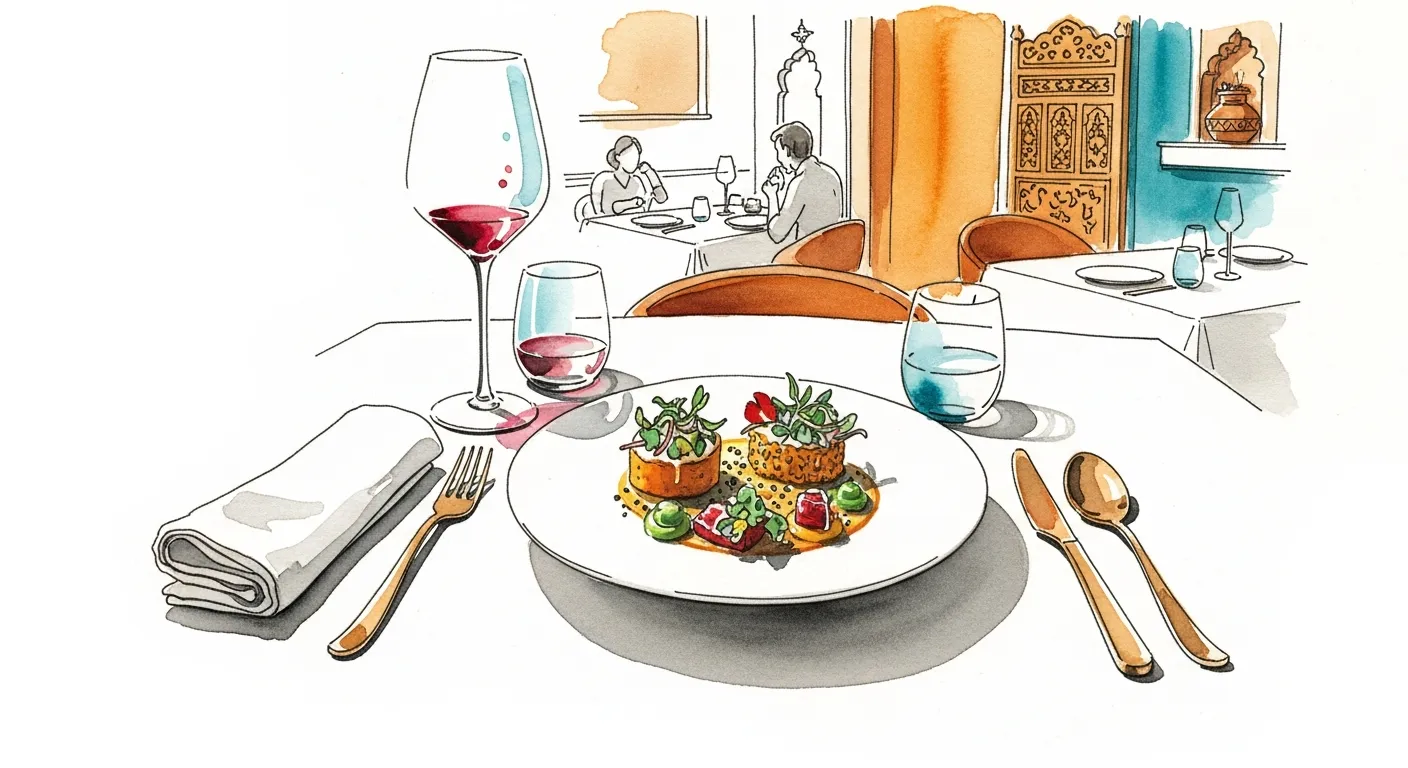
In Colaba, a 150% duty on imported wine and a 60% surge in farm-to-table sourcing are doing what decades of nationalism could not. Fine dining is finally speaking Marathi.
A hungry state of mind
The stories behind the food. The people, the places, the plates.

In Colaba, a 150% duty on imported wine and a 60% surge in farm-to-table sourcing are doing what decades of nationalism could not. Fine dining is finally speaking Marathi.

In Andheri East, five brands are cooking out of one room. The rent is split. The cuisine is not.

Khotachiwadi still bakes its own bread and its own festivals. The generation that knows how is running out of grandchildren to teach.

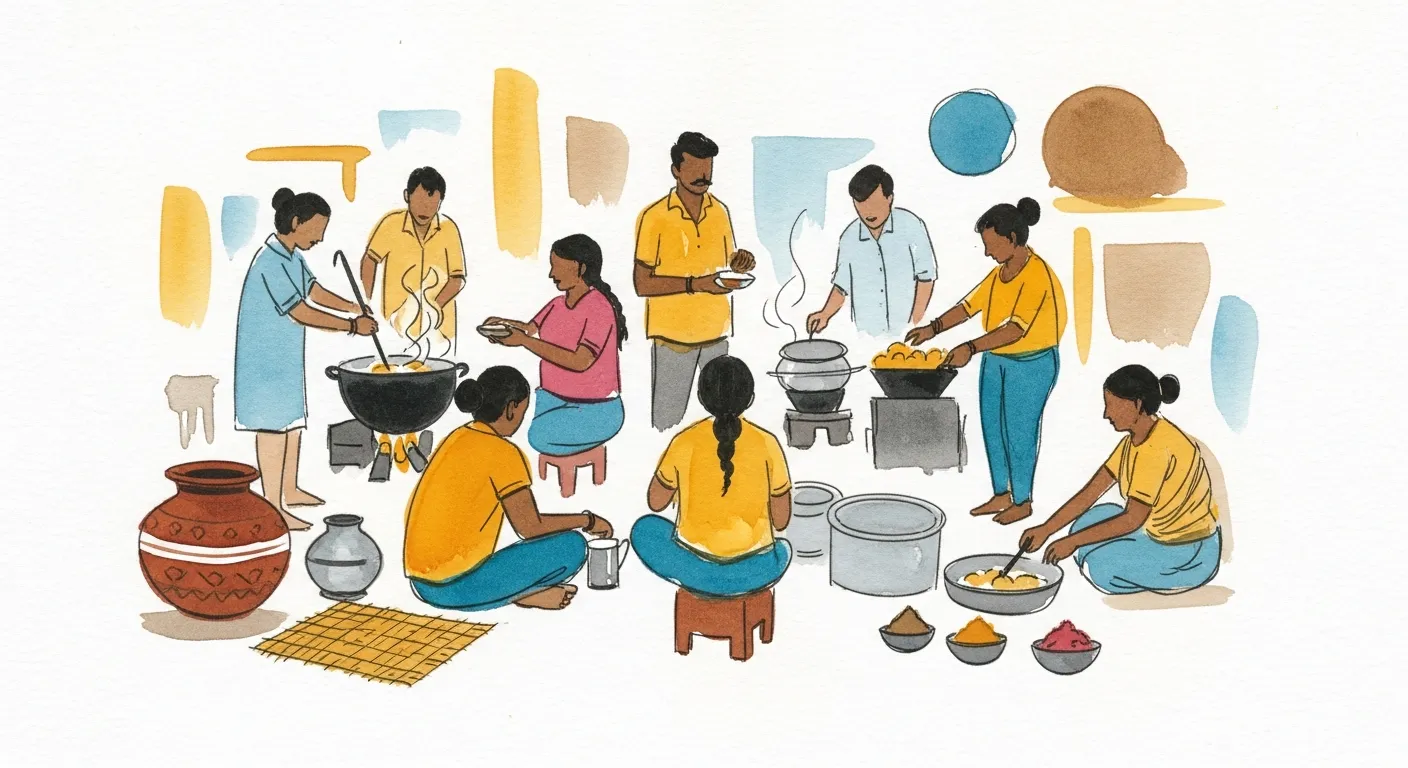
In Chembur, home-chefs are selling tickets to their own living rooms. The rent is zero. The waitlist is six weeks.

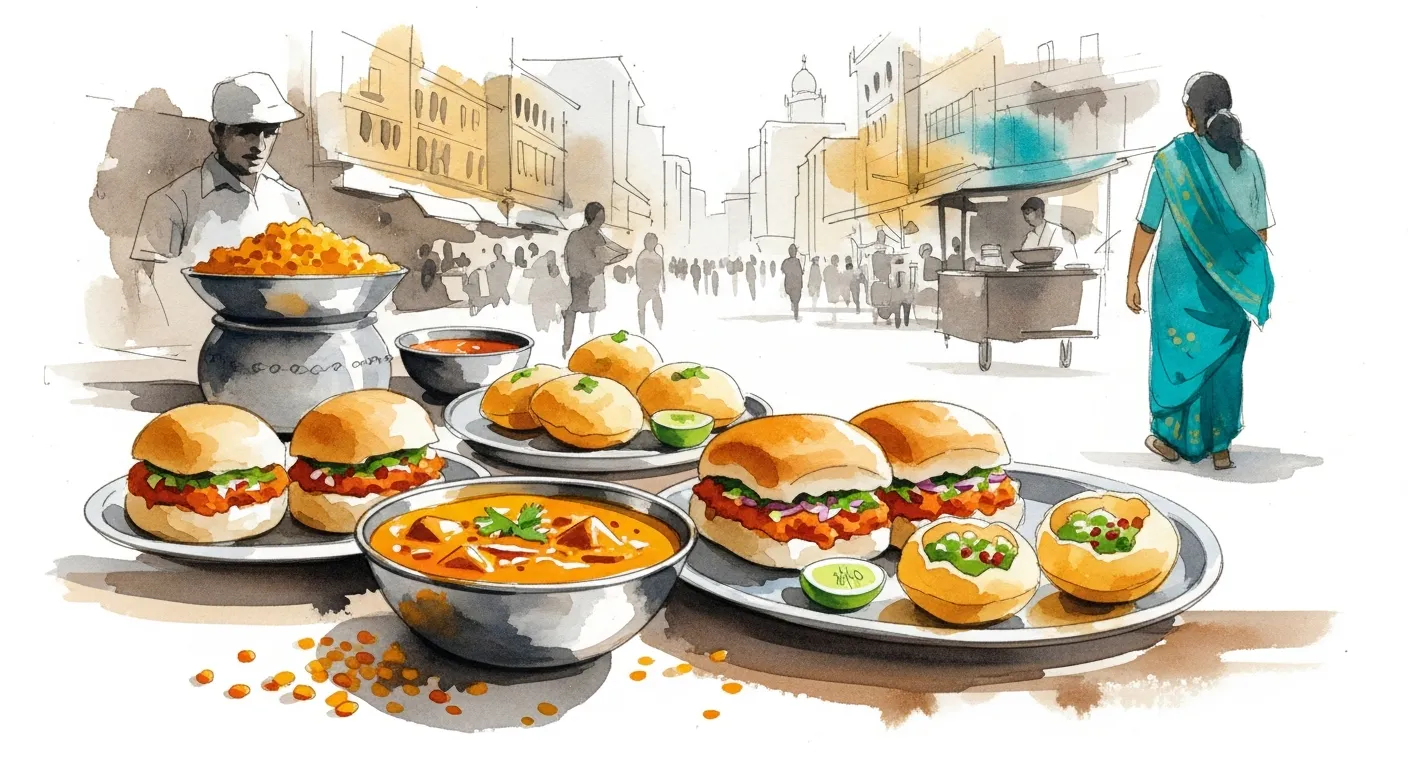
Bhuleshwar's Gujarati snack vendors survived four generations of Bombay. The QR code is a different kind of test.

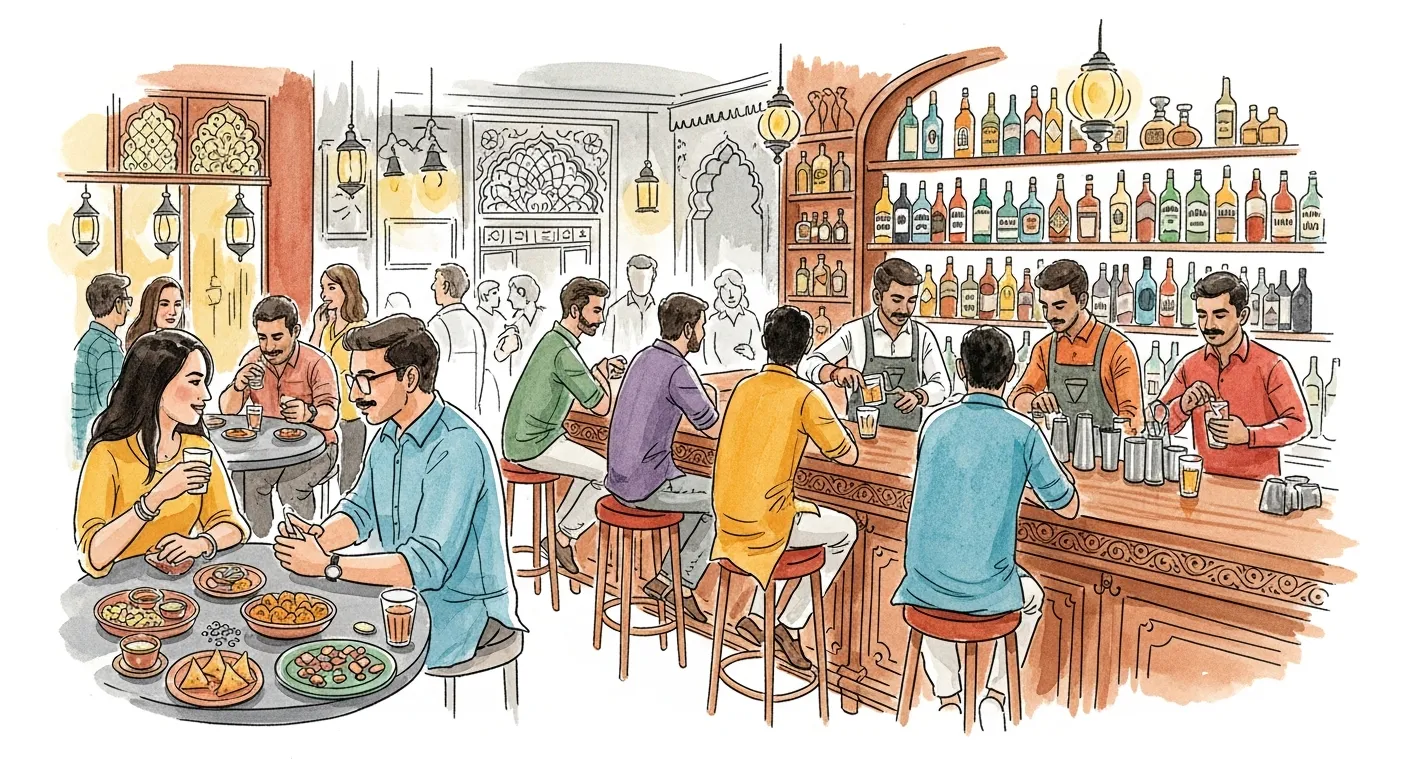
Forty years ago, a Bombay bar was a room women walked past. Then Shatbhi Basu stepped behind the counter, and the counter never looked the same.

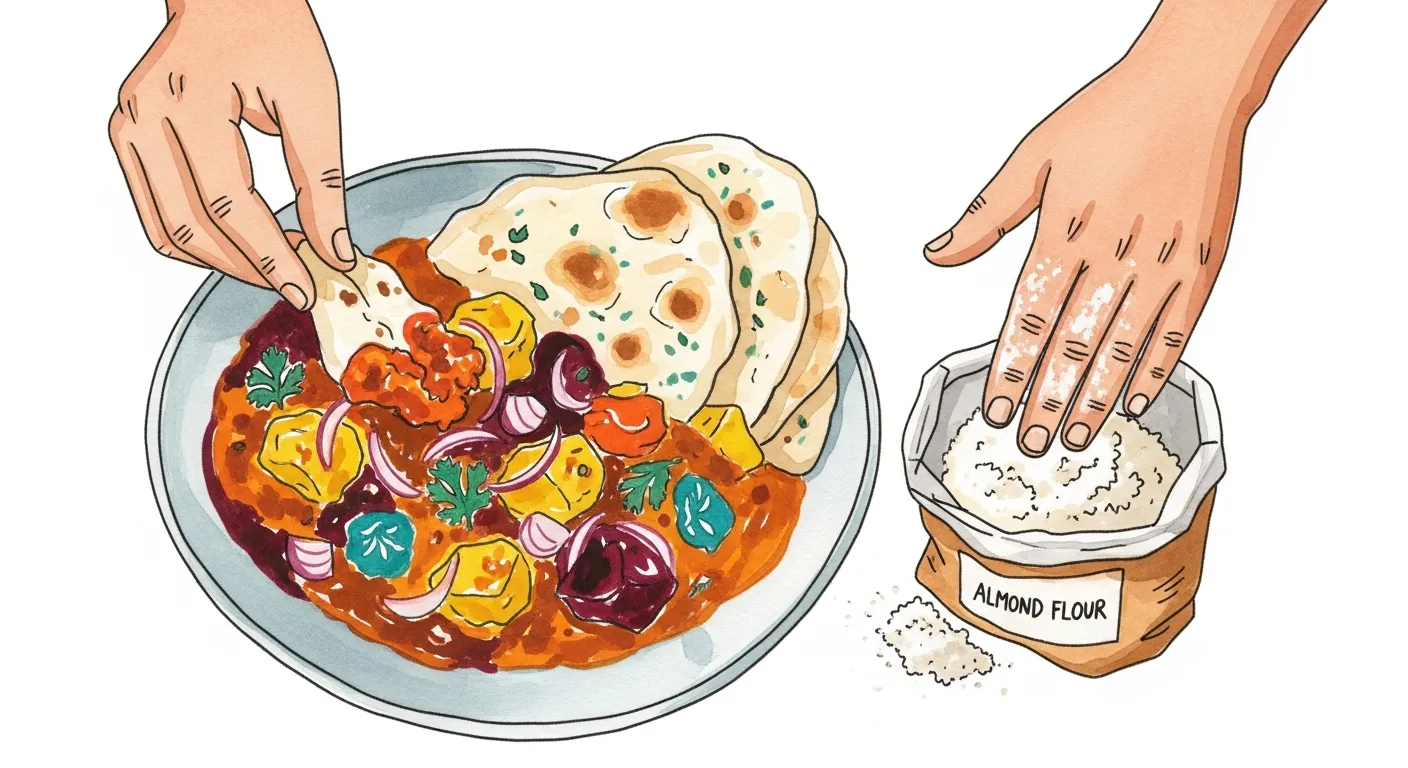
In Juhu, the home-chefs feeding the keto crowd are learning that a personalised diet is really a personalised supply chain.

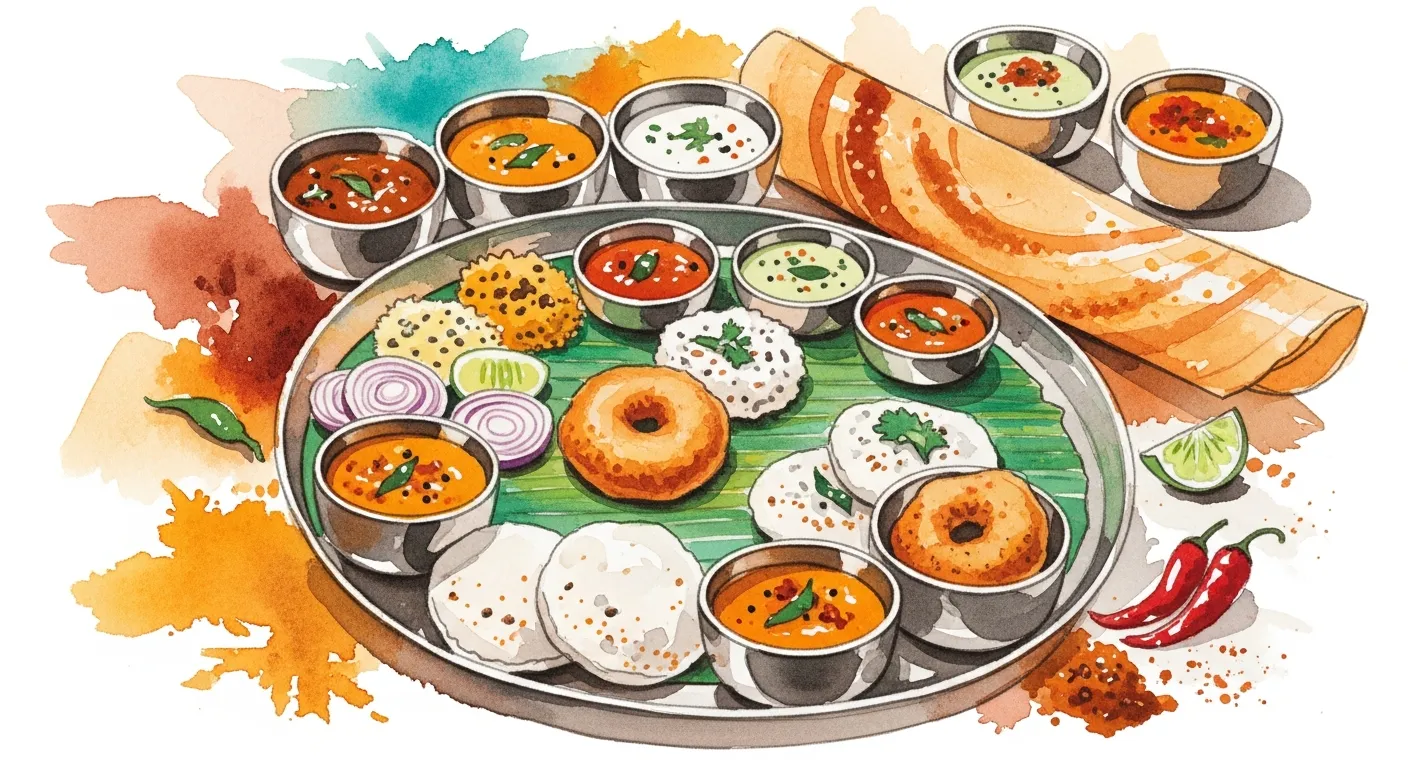
For eighty years, Matunga's Udupi kitchens ran on a supply chain of teenagers from coastal Karnataka. That pipeline is quietly closing.

In Chembur, the home-chefs who spent forty years turning Diwali into a courier route are watching oil, maida, and sugar eat the margin that used to feed the whole calendar.

In Fort and Colaba, the Parsi and Irani bakeries that fed Bombay for a hundred years are being squeezed by egg prices, milk hikes, an LPG crisis, and a High Court order about firewood.

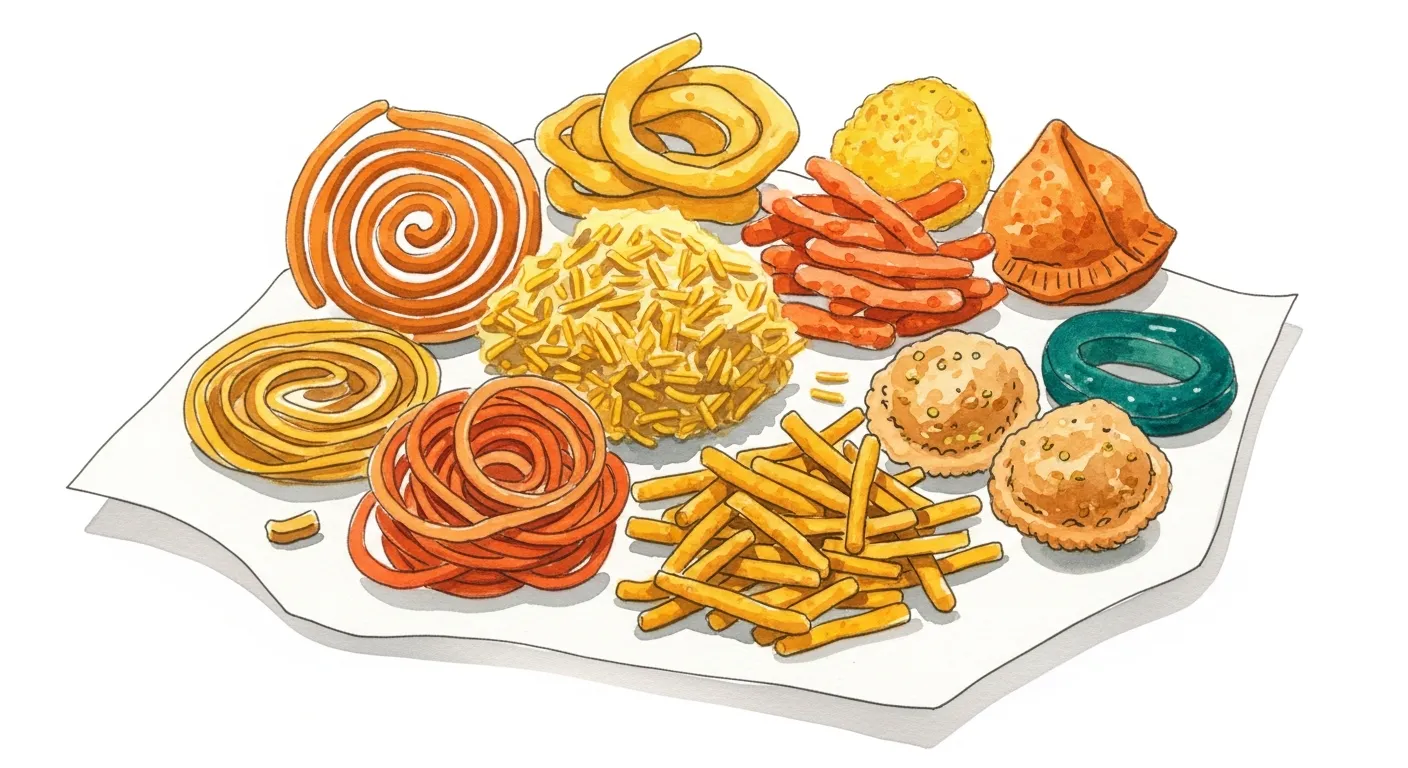
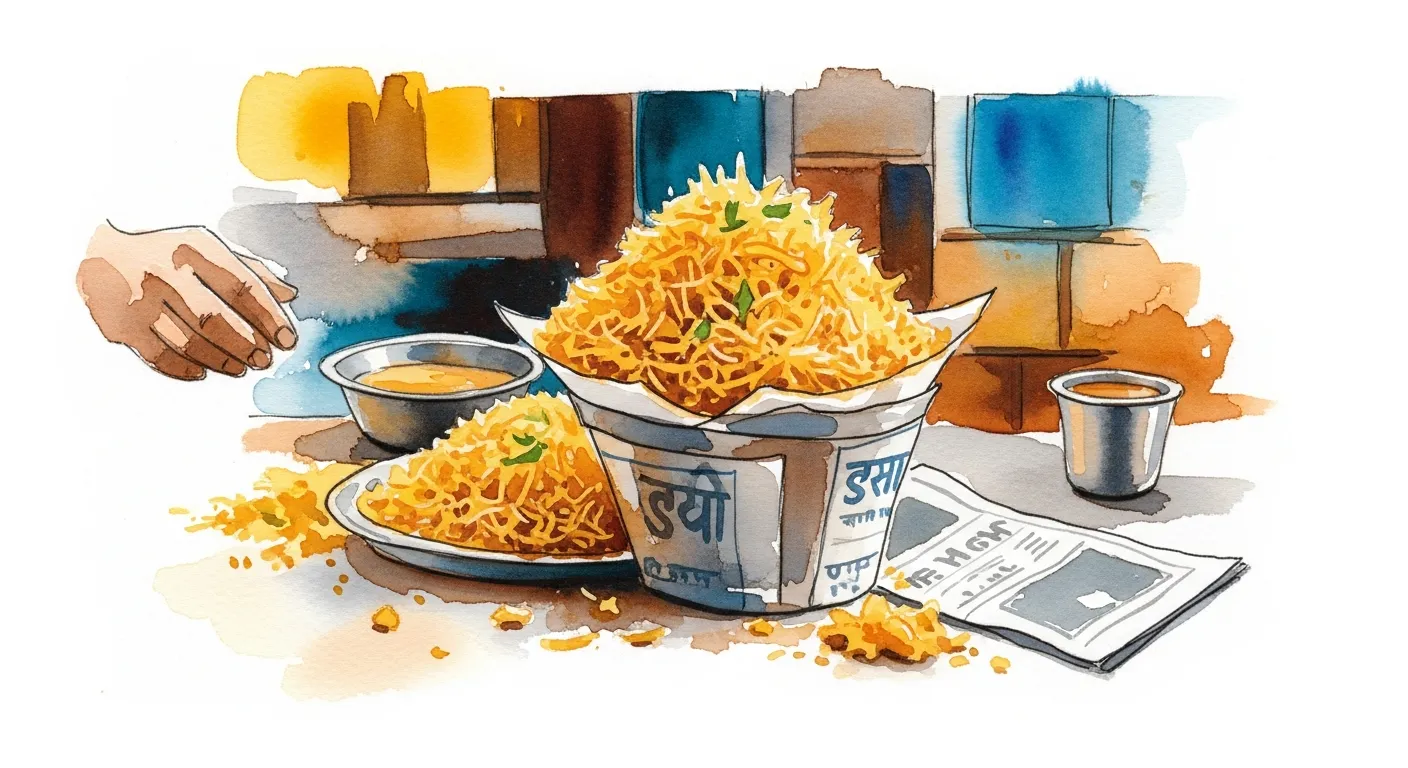
In Bhuleshwar, the farsan shops that fed a city's festivals for a hundred years are being priced out by palm oil, packaged competitors, and a generation that reads labels.

Kalbadevi's legacy mithaiwalas are being squeezed from two sides at once. The commodity market and the family WhatsApp group.

In Khareghat Colony, a generation raised on WhatsApp is doing what the aunties did for a century, just with a payment gateway and a delivery partner.

Two American sailors walked into a hotel in 1933 and accidentally made Bombay's first legal drink. Ninety-two years later, the city is still figuring out what to do with a licence.

In Khar Danda, the Kolis who fed Bombay before Bombay had a name are cooking against three currents at once. The sea, the soil, and the skyline.

Lower Parel's fine-dining rooms are quietly shrinking. The economics finally caught up with the chandeliers.

Eleven new restaurants, a tribal food festival, a Parsi brunch, and an Amalfi lemon on its ninth birthday. August has plans for you.

Bandra is full of restaurants that started as something else. A dinner. A weekend. A bet placed by a chef who couldn't afford to lose.

How a generation of Bengali home cooks in Chembur turned grandmother's kitchen into a subscription service, one steel tiffin at a time.

A Tokyo Bib Gourmand landing in BKC for two nights. A Sufi mehfil in a 19th-century Byculla furniture house. A Sunday buffet where the band plays until the lobster runs out. The Mumbai weekend, priced and timed.